R&D in Valves & Piping Industry
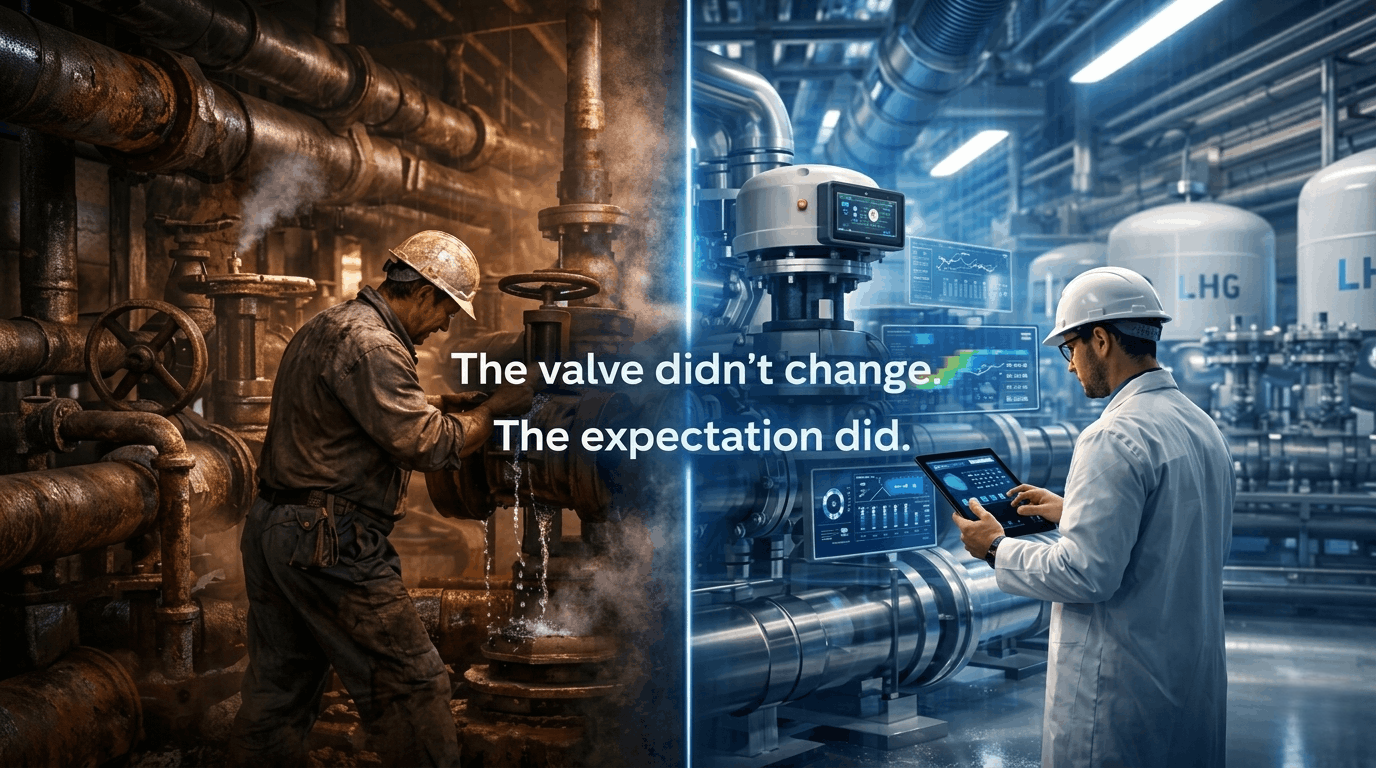
In the valves and piping industry, Research & Development has shifted from a support function to a strategic lever. The gap between manufacturers who build and those who engineer solutions is widening—faster than most realize.
For years, innovation was incremental: improved metallurgy, tighter tolerances, better sealing performance. Necessary, but no longer sufficient.
Today, the ground reality is different.
What’s really driving R&D now?
- Extreme operating demands – Higher pressures, temperatures, and aggressive media pushing design limits
- Energy transition – Hydrogen, LNG, and evolving conditions forcing a rethink of compatibility and safety
- Digital expectations – End users expect visibility, diagnostics, and predictability
- Lifecycle economics – Focus shifting to uptime, efficiency, and total cost of ownership
Where serious players are investing:
- Advanced casting and forging to reduce rejection and lead times
- Simulation-led design (CFD, FEA) to solve issues before production
- Surface engineering to extend life in harsh environments
- Automated testing to ensure repeatability at scale
The shift many are underestimating: Control valves are no longer niche
Across industries, there is a clear move away from manual and isolation valves toward control valves.
This isn’t just a product shift—it’s a capability shift.
As plants automate, valves are no longer just opening or closing—they are modulating and optimizing in real time.
Control valves are central to:
- Process stability and precision
- Energy efficiency and loss reduction
- Integration with automation systems
Competing here isn’t about machining tolerances alone—it requires:
- Deep understanding of flow dynamics
- Integration with actuators and control systems
- Investment in diagnostics and predictive maintenance
In simple terms:
The industry is moving from product supply to engineered control solutions.
The uncomfortable reality
A significant part of the industry still operates with limited, reactive R&D—triggered by failures rather than foresight.
At KFEL (Khimji Flow Equipments Pvt. Ltd.), this shift is not theoretical—it’s something we actively align with.
Our approach focuses on moving beyond manufacturing toward solution-driven engineering:
- Continuous design refinement based on real-world feedback
- Strong focus on material selection and process reliability
- Robust testing and validation for consistent performance
- Adapting to evolving efficiency and process-critical demands